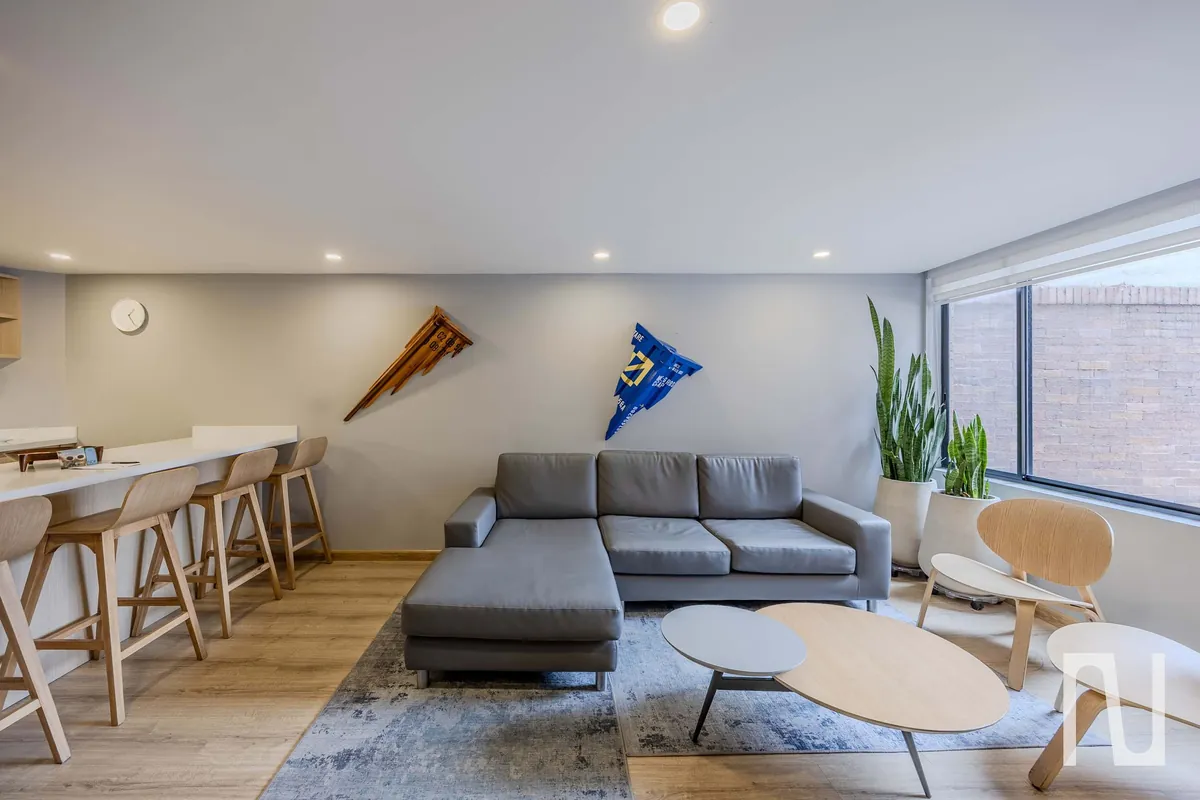
A productive month working from Bogotá starts with your calendar, rather than a list of cafés. Write down the meetings you cannot move, the tasks that require concentration and the hours you need to share with colleagues. Then build your city time around those commitments. Working remotely does not mean you have to change locations every day. A dependable base and a few repeatable habits can make the experience much more rewarding. The aim is to finish your work with energy left for the city, while allowing enough flexibility to discover what a normal week in Bogotá feels like.
Ask specific questions about the place where you expect to work. The landing describes fast WiFi but does not publish a speed test or guarantee uninterrupted connectivity. If video calls or large uploads are essential, request current information and arrange your own fallback. A dining table may be useful for occasional work, but you should not assume it is a dedicated private office. When sharing the apartment, agree on quiet periods and use of common areas. It is much easier to organise this before the first important call than to negotiate around other people's plans in the middle of it.
Build a week with distinct work blocks and time outside. Longer journeys fit more comfortably on days with fewer meetings; allow a buffer before the next call instead of planning to arrive at the last minute. Check the time difference with each team's location for the actual travel dates, because seasonal clock changes elsewhere can affect the overlap. Keep a short daily task list and distinguish professional spending from personal outings. If your organisation requires particular booking documents, coordinate those before confirming. A comfortable working trip depends on these small decisions as much as on an appealing neighbourhood or an ambitious itinerary.
Make arrival straightforward by sharing an estimated time and updating the host if your journey is delayed. The exact address is provided after booking, so neighbourhood references help with broad planning rather than identifying a particular entrance. Keep a short list of questions for handover: how keys work, how to use the kitchen and laundry equipment, and whom to contact during the stay. Getting these details clear at the beginning helps the following weeks run smoothly. It also gives everyone travelling with you the same understanding, instead of leaving one person to relay instructions piecemeal whenever a practical question comes up.
For a longer visit, agree on simple household habits early. Decide how to share groceries, organise laundry and use common spaces without interrupting one another. An equipped kitchen and a washer and dryer support everyday routines, but ask how the appliances work and which supplies are included. Mention a pet before confirming and clarify the conditions that apply. Request the crib if it is needed, rather than treating a capacity description as a complete arrangement. Small details about your group are easier to accommodate when they are raised clearly in advance and recorded alongside the other conditions of the stay.
Once your outline is ready, send a concise inquiry with arrival, departure, guest count and the general purpose of the visit. Avoid including identity documents, banking details or sensitive personal information in an initial message. The WhatsApp link on the landing can be used to ask questions and request a written proposal. If you choose Airbnb, use the listing link and the platform's channels for that reservation. Clear expectations leave more attention for the reason you came to Bogotá, whether that means finishing a project, spending time together or discovering a few favourite places that become part of your own routine.
Treat the first working morning as a rehearsal. Connect the devices you actually use, check your microphone and camera, and try the position where you expect to sit for longer sessions. Notice glare on the screen and whether your charging cables reach safely. Keep walkways clear and ask before moving furniture. Run a short call with a colleague before relying on the setup for a presentation. A successful rehearsal is useful evidence for your own planning, but it does not establish a service guarantee. Keep important files available through the backup arrangements approved by your employer.
Set a visible end to the working day. Close your task list, write the first action for tomorrow and put equipment away when a shared table is needed for meals. If travelling with another remote worker, compare call schedules the evening before and identify potential conflicts early. Use headphones where appropriate and avoid putting confidential discussions on speakerphone in common spaces. When considering an external workspace, ask directly about access conditions and whether calls are permitted before committing. Reserve one flexible block each week for administrative tasks, receipts and planning, so those jobs do not gradually consume all your free afternoons.
Use the first two days to make a small personal map. Mark a place for groceries, a place to buy household essentials and the route back to the apartment. Save the address privately on your phone and keep arrival instructions available offline. Make a modest first shopping trip rather than buying supplies for the entire month before seeing the storage space. Check what is already provided and ask before replacing anything. This approach also helps when travelling together: everyone can find the basics without repeatedly asking the person who organised the booking. Leave room in the plan for different meal times and individual preferences.
At the end of the first week, review what is actually working. Look at transport spending, food left unused and the time needed to get ready each morning. Adjust the next week around those observations rather than following the original plan automatically. Keep a shared note for practical questions and send the host one clear message when several issues can be resolved together. Report a problem with an appliance promptly, describing what happened without attempting a repair. Before departure, agree on the handover process, collect personal belongings from drawers and check that everyone has transport arranged. A little organisation at both ends protects the unhurried middle of the visit.
Coming to Bogotá for a month or more?
Atlantis 102 is a 3-bedroom apartment in Zona Rosa for stays of 25 nights or more, housekeeper included. Send your dates on WhatsApp.
See the apartment